A Practical Guide to Linen Bedding: History, Care, and Craft
Explore the enduring allure of linen in bedding, tracing its origins, understanding contemporary care practices, and celebrating the craft that brings textured, climate-responsive textiles to our most intimate spaces.
The Linen Chronicle: From Flax to Fine Bed Linens
Linen’s story is as old as civilization itself. It begins in the humble flax plant, whose fibers yield a fabric that has clothed, sheltered, and sustained communities across continents. The ancient world recognized linen for its breathability, moisture-wicking prowess, and quiet durability — a textile that feels cool to the touch on hot nights and gracefully warm during cooler seasons.
Across cultures, linen has taken on many faces: from the ceremonial shrouds of ancient Egypt to the sturdy, everyday linens of European ateliers. Its characteristic texture—slightly crisp with age—softens with use, revealing a tactile history imprinted by every wash and wear. The environmental gentle footprint of linen, with flax grown in fields and transformed through time-honored weaving in mills, resonates with modern sensibilities around sustainability and slow fashion.
In the contemporary home, linen bedding is not only a practical choice but a statement of craft and intention. The material’s natural temperature regulation makes linen a preferred partner for year-round comfort. It adapts to your body, wicks away moisture, resists cling in the heat of summer, and offers a soft, insulating hand as the fiber relaxes with every laundering and use.
From Flax to Fabric: The Journey of Linen Bedding
The linen journey begins in the field with flax, whose long fibers are harvested, retted, spun, and woven. Each step carries centuries of craft, with regional variations that impart distinct character to linen fabrics. The finished linen bedding—sheet sets, pillowcases, shams, and duvet covers—carries with it a narrative of sustainability: natural fibers, low chemical input, and the potential for long-lived textiles that improve with time.
In the modern market, you’ll often encounter linen bedding labeled with certifications and origin stories: flax grown in France, spun and woven in Portugal or Belgium, all contributing to a fabric that is inherently breathable, durable, and ecologically mindful. The texture you feel when you run your fingers over a linen duvet cover is the memory of the loom, the climate, and the care with which it was transformed.
The textile’s performance is not merely about heft or weight. Weight, weave, and finishing all influence how linen drapes on the bed, how it releases wrinkles with ease, and how it softens to a luxurious hand. For many readers of Longhorn Linen, the material’s resilience is a metaphor for resilience in life: simple, honest, and deeply satisfying.
Care and Longevity: Caring for Linen Bedding Like a Pro
Proper care is the silk thread that stitches longevity into linen. Linen loves warmth and air but dislikes harsh chemical treatments. Here’s a stylish, editor-approved approach to care that preserves softness, texture, and structure:
-
Washing: Use a gentle, cold-to-warm cycle for most linen sets; for stubborn soils, a mildly warm cycle is acceptable. Avoid aggressive detergents that can strip the fibers. A plant-based detergent aligns with the textile’s ethos and keeps fibers feeling gentle.
-
Drying: Air-drying is ideal for stability and longevity. If using a dryer, opt for a low heat setting and remove while slightly damp to minimize extra wrinkles. Linen’s natural texture benefits from a little breeze and line-drying, which preserves its crisp character.
-
Ironing and pressing: If you prefer a crisper finish, iron while the linen is still slightly damp on a medium heat cotton setting. For the most relaxed, lived-in look, skip ironing and embrace the gentle crinkles that tell your linen’s story.
-
Care for color and texture: Use gentle colors and natural dyes, especially for darker linens. Linen’s color tends to mellow with time, acquiring a patina that adds depth to your bedding ensemble.
A practical approach to care translates into durable, seasonally adaptive bedding that remains comfortable for years. In the editorial pages of Longhorn Linen, care becomes a ritual, a way to extend the life of textiles while savoring the quiet beauty of natural fibers.
Techniques and Craft: Weaving Skills from Loom to Linen
Linen is not merely fabric; it is a craft rooted in centuries of loom work. Understanding a few foundational techniques helps readers appreciate the textures and finishes they love in linen bedding:
-
Plain weave vs. herringbone and jacquard: The simplest weave yields a crisp, uniform texture that’s versatile for any bedroom. More intricate weaves—like jacquard or herringbone—offer subtle texture and pattern that can elevate a calm, minimal palette.
-
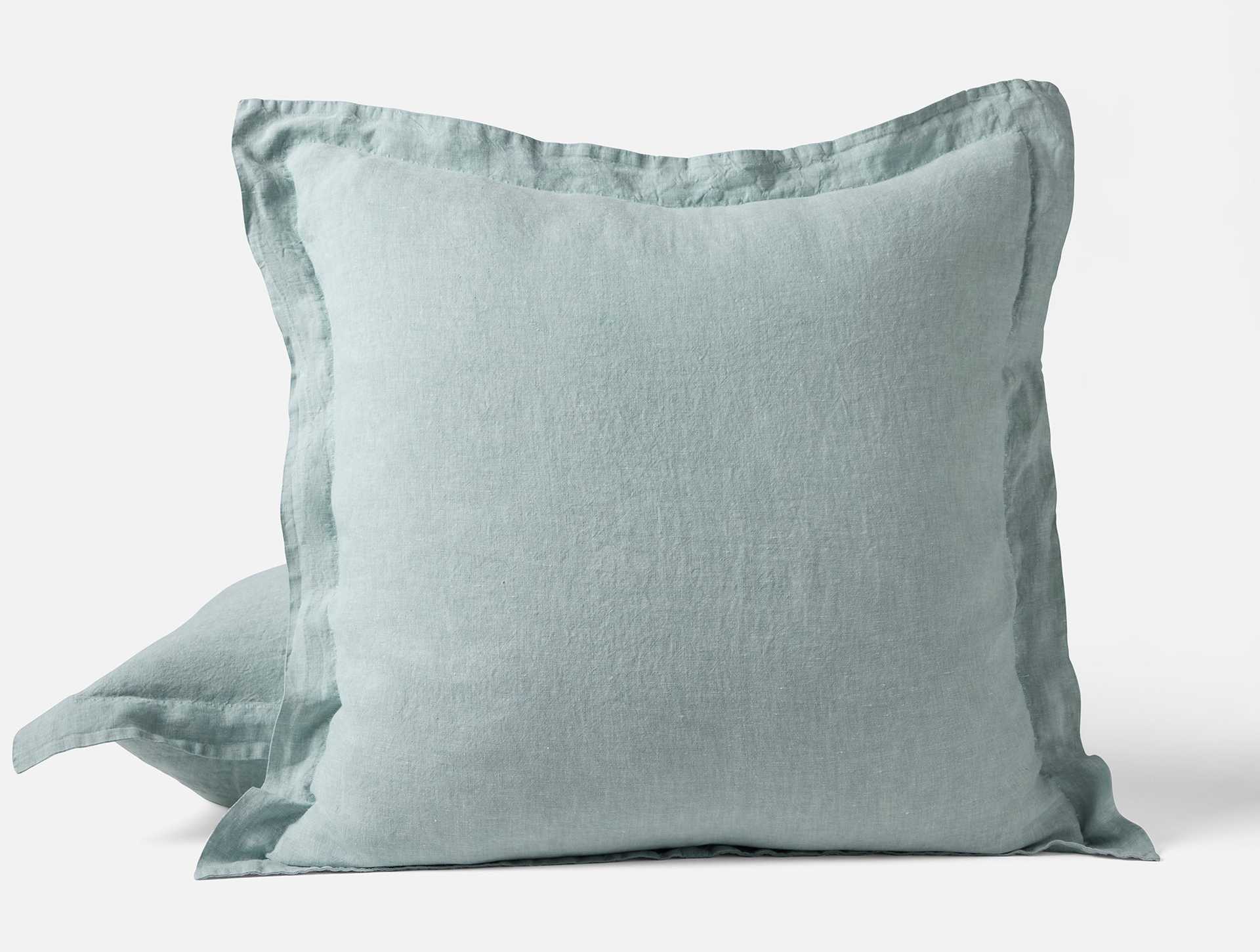
Stone-washing and garment washing: A stone-washed or garment-washed linen develops a softer hand and a more relaxed drape. This finishing step contributes to the fabric’s tactile warmth and cozy feel.
-
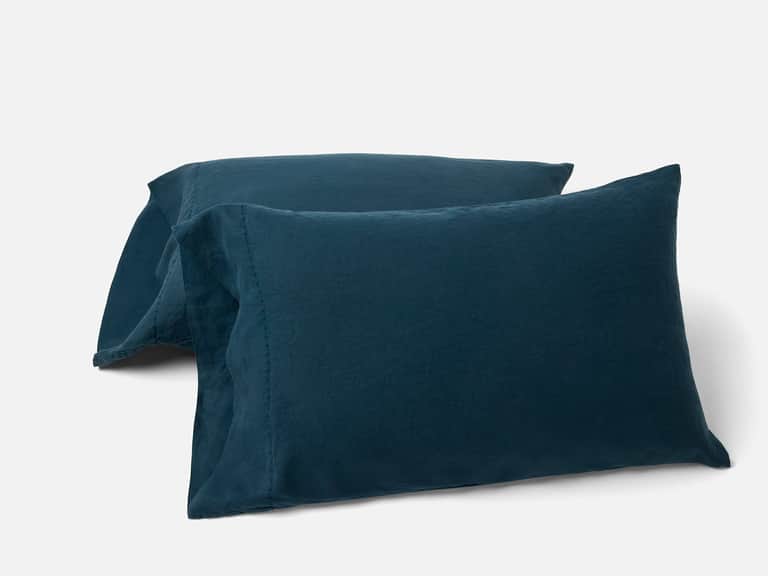
Pick stitching and edge finishes: Finishes such as pick stitching on pillowcases or cuffs deliver refined detail without overpowering the natural linen texture.
The craft of linen is about quiet sophistication—the kind of luxury that reveals itself in the texture, breathability, and aging charm of the fabric.
Three Figures Who Wrote Linen into History
Hypatia of Alexandria (c. 370–415 CE)
A symbol of ancient learning, Hypatia represents the era when linen fabrics girded the human experience, from scholarly robes to everyday garments. While not a linen trade figure per se, Hypatia embodies the spirit of inquiry that led to textiles being studied as science—fiber biology, warp and weft, weaving technique—laying groundwork for later textile scholarship.
Léon-Paul Fargues (late 19th–early 20th century)
A French textile artisan and designer who helped popularize refined, understated linen in domestic interiors. Fargues’ approach—a balance of crisp texture and soft comfort—echoes today’s appreciation for linen’s versatility across bedding, from sheets to duvet covers.
Donna Karan and the Modern Linen Ethos (late 20th–early 21st century)
A contemporary creative voice who championed accessible luxury, Donna Karan’s approach to textiles mirrors linen’s transformation into everyday luxury. Linen bedding—with its breathable comfort and effortless drape—has become a staple of modern, sustainable interiors, reflecting a philosophy of design that values both beauty and practicality.
A Spotlight Product: Bovi Hudson Linen Quilted Shams
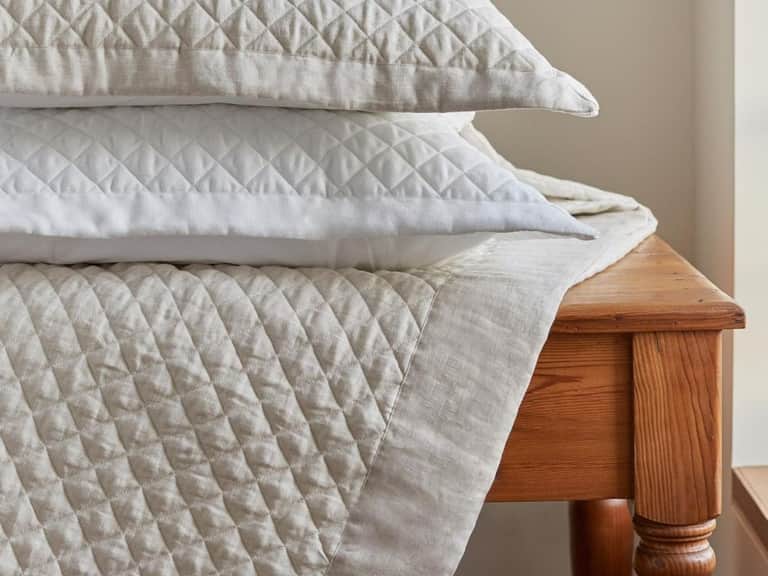
The Bovi Hudson Linen Quilted Shams embody the fusion of shell texture and timeless European craftsmanship. Crafted from 100% European linen and finished with a diamond-quilted pattern, these shams command understated luxury. The stone-washed linen offers a relaxed hand with a narrative of soft aging, while the cotton percale backing provides a comfortable, cool-to-the-touch feel.
The shams are produced in Portugal by BOVI, a brand with a storied history dating back to 1960. The result is a refined, layered look that elevates a bed, adding dimension and a quiet elegance that resonates with the longhorn linen identity—resilience, crafted quality, and natural beauty.
Product: Bovi Hudson Linen Quilted Shams (Standard, King, Euro, Grand Euro) — 100% European linen, diamond quilted, backed in cotton percale. Price: 180.00.
A Practical Buying Guide: Organic Relaxed Linen vs Traditional Linen Sheets
Linen bedding comes in many textures, weights, and finishes. A thoughtful comparison helps you choose pieces that suit your climate, sleep style, and aesthetic. Consider the following:
-
Weight and weave: Organic relaxed linen often features a looser weave that enhances airflow, ideal for warmer climates or those who run hot at night. Traditional linen sheets may be heavier, offering a crisper drape and a sense of structured elegance.
-
Certification: Look for GOTS certification when organic integrity matters. This ensures organic farming practices and responsible processing across the supply chain.
-
Care and softness: The relaxed, garment-washed feel of organic relaxed linen pillowcases or sheet sets tends to soften with each wash, developing a more luxurious, lived-in hand over time.
A balanced selection—such as sheet sets and pillowcases in organic relaxed linen alongside more traditional linen fabrics—offers both versatility and a sense of refined texture that remains timeless across seasons.
Resources: Curated Texts, Museums, and Courses
For readers who wish to deepen their understanding beyond the pages, here are curated resources that enrich the linen narrative:
- Textual histories of linen in ancient and medieval contexts
- Glossaries of textile terms: flax, fiber, warp, weft, weaves
- Museum collections and textile archives with linen-centric exhibits
- Online courses in weaving, spinning, and natural dye techniques
Longhorn Linen invites you to explore linen as an ongoing practice—an art that ages gracefully, just like the textiles it honors.
Embark on your linen journey with confidence. From flax to finish, the craft of linen offers a hospitality to your sleep that is at once practical and exquisitely editorial.
Explore Linen Bedding