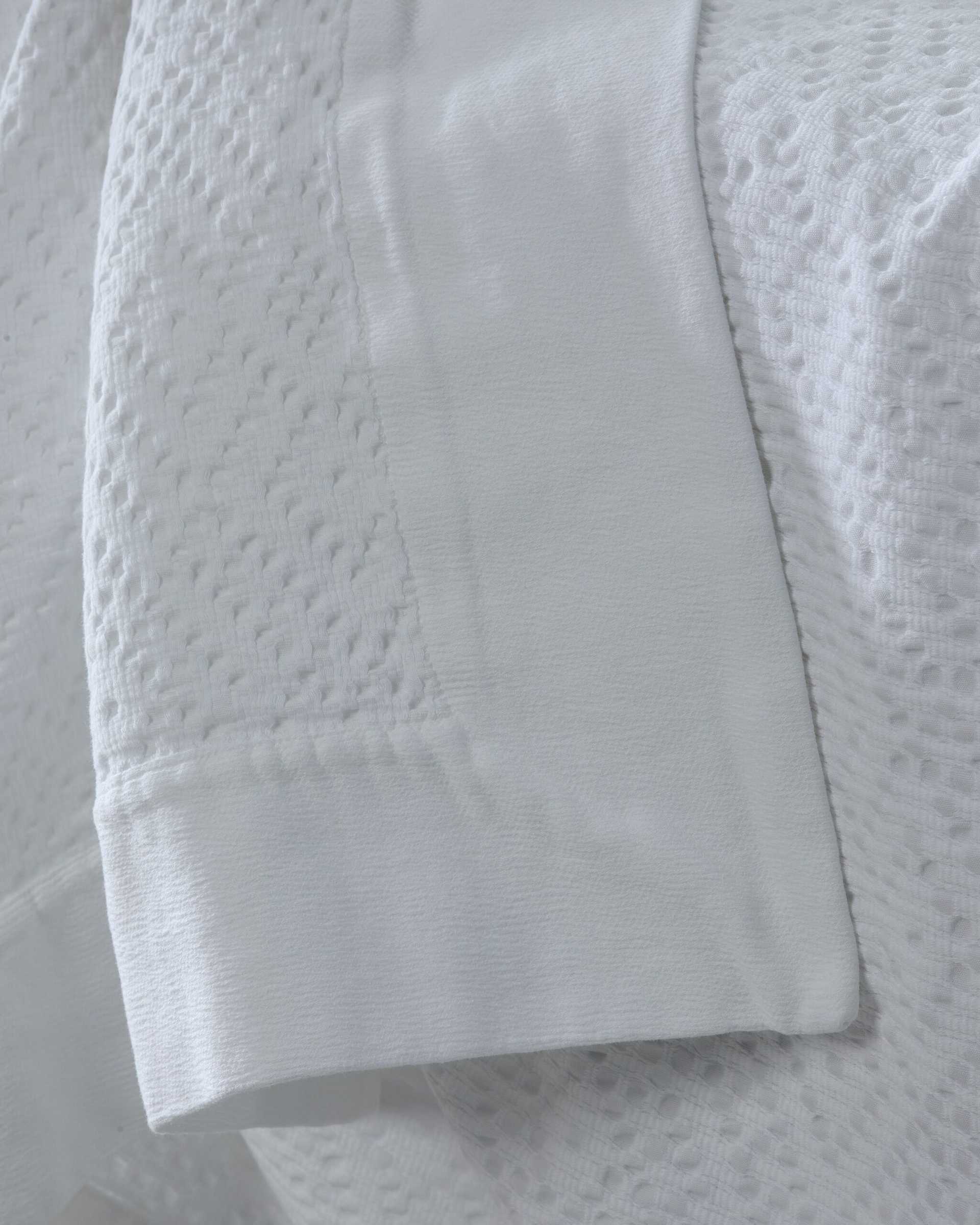
Bed covers provide a practical top layer for a bed, adding light coverage and helping keep underlying bedding neat between uses. Depending on their construction, they can function as a decorative layer, a lightweight cover for warmer conditions, or an extra layer over sheets and blankets. Their size, material, and weight influence comfort and everyday use.
When comparing bed covers, consider fabric feel, breathability, texture, and how the cover fits with existing bedding. Linen and other natural fibers can offer a distinctive surface and comfortable airflow, while different weights suit different seasons and layering needs. Coordinating bed covers with pillows, sheets, duvet covers, and comforters can create a balanced bedding arrangement.
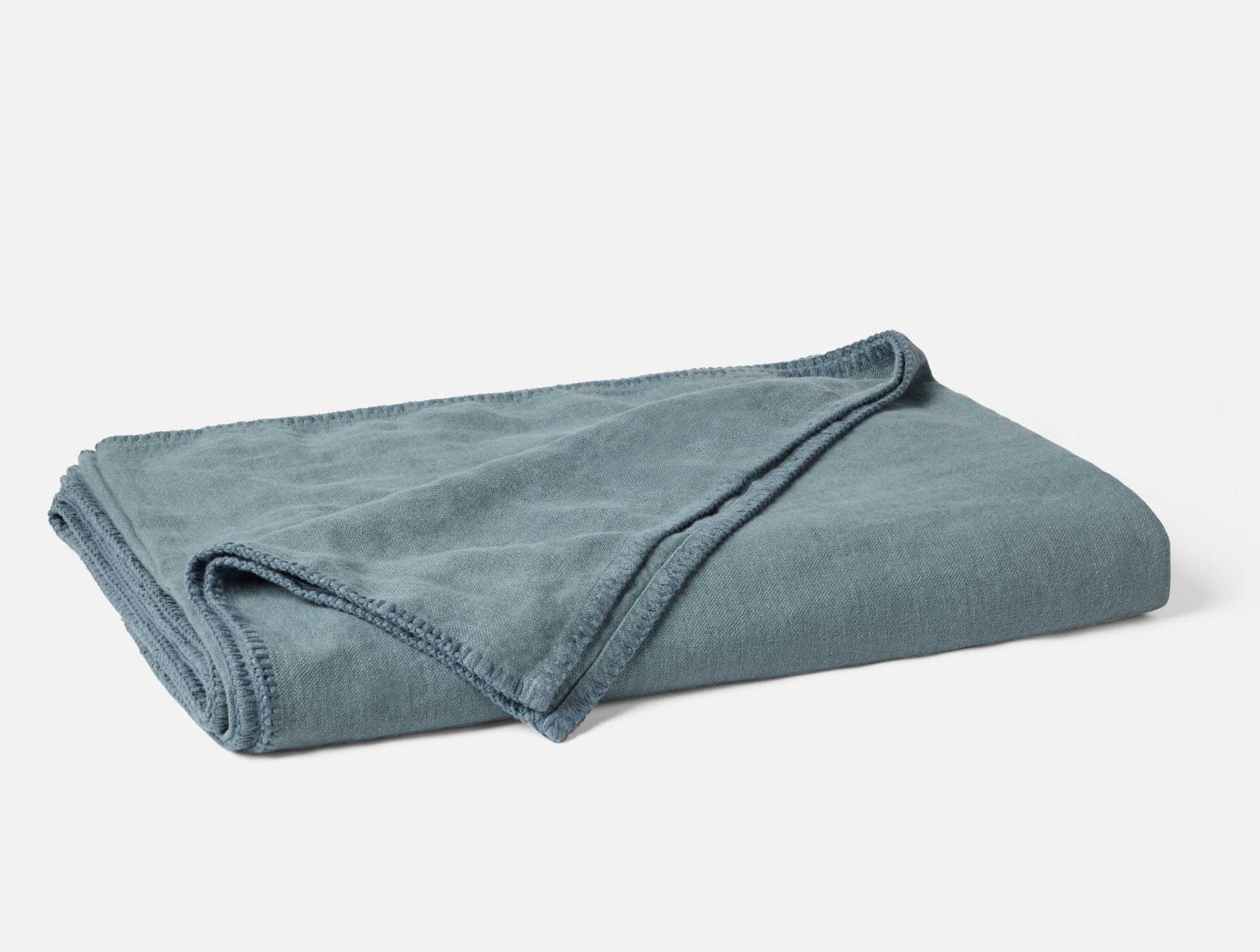
The Helena Organic Linen Coverlet is a linen layer suited to beds that benefit from breathable coverage and natural fabric texture. Used over a sheet or as a finishing layer above other bedding, a coverlet can add light warmth without the bulk of a comforter. Its organic linen construction makes material composition a notable feature.
The Tex Bedcover serves as a top layer for covering and visually finishing a bed. A bedcover can help shield sheets and other bedding from everyday dust and contact when the bed is not in use, while also providing adaptable coverage. Its role in a bedding setup depends on its dimensions, fabric, and weight.
For a functional bedding arrangement, match a bed cover’s dimensions to the mattress and account for how much drape is preferred at the sides. Layering a coverlet or bedcover with sheets, pillows, duvet covers, or comforters allows coverage to adapt to temperature and routine. Follow the product’s care instructions to maintain its fabric and appearance.
 Bedding